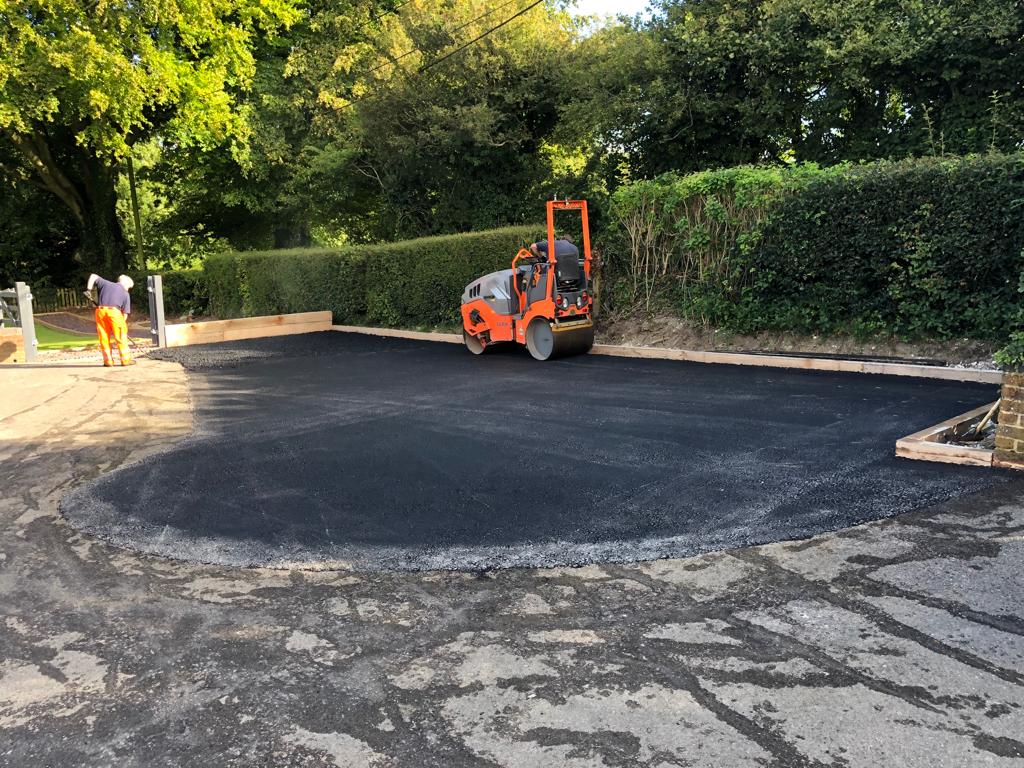
A pothole that returns shortly after being repaired usually indicates that the visible hole was only one part of the problem. Filling the damaged surface may create a temporary improvement, but it will not provide a lasting result if the underlying pavement remains weak, wet or unstable.
Effective pothole repair requires more than adding new material to a depression. The damaged edges, road base, drainage and surrounding surface must all be assessed to determine why the failure developed and how far it extends.
Common Reasons Repaired Potholes Fail Again
The Weak Material Was Not Fully Removed
The surface around a pothole may appear firm while being cracked, loose or poorly supported underneath. If new material is placed over these weakened edges, it cannot form a stable repair.
A more durable method involves removing damaged material until a sound boundary is reached. This creates a firm repair area and reduces the chance of the new surface breaking away from the surrounding pavement.
The Road Base Is Unstable
The asphalt or bitumen layer is only as dependable as the foundation beneath it. When the road base has become soft, displaced or poorly compacted, traffic loads cause the surface to flex and sink.
Repairing only the upper layer leaves this movement unresolved. The pothole may reappear in the same place, or cracking may develop around the edge of the patch. Where base failure is present, the affected material needs to be removed and rebuilt before the surface is reinstated.
Water Is Still Entering the Pavement
Water is one of the main reasons potholes return. It can enter through surface cracks, open joints, damaged edges or areas where drainage is ineffective. Once beneath the surface, moisture weakens the base and allows fine particles to move away.
Vehicles then place repeated pressure on the unsupported surface, causing it to crack and collapse. Unless the route of water entry is addressed, a repaired area can deteriorate again even when the patch initially looks satisfactory.
Poor Drainage Keeps the Area Saturated
Standing water beside or across a road, driveway or hardstand can indicate that the surface levels are not directing runoff effectively. Blocked drainage routes and low areas can also keep the pavement wet for extended periods.
A successful repair should therefore consider how water moves across and away from the surface. Improving the local fall, clearing drainage paths or correcting affected edges may be necessary to prevent repeated saturation.
The Repair Material Was Not Properly Compacted
New material must be compacted thoroughly to reduce air voids and create a dense, stable surface. Inadequate compaction can leave the patch vulnerable to settlement, moisture penetration and movement under vehicles.
Compaction must also suit the depth and size of the repair. Deep holes may need to be rebuilt in controlled layers rather than filled and compacted as one thick section.
The Repair Was Too Shallow
A shallow patch may cover the visible hole without reaching the full depth of the deterioration. If damaged material remains beneath the repair, the new surface has no dependable support.
The correct excavation depth varies according to the extent of the damage. A professional assessment can establish whether the defect is confined to the surface or continues into the supporting base.
The Edges Were Not Properly Sealed
The joint between the repair and the existing surface is particularly vulnerable. Open or poorly bonded edges allow water to enter and traffic movement to pull the materials apart.
Clean, well-defined edges help the replacement material bond securely. Suitable sealing at the perimeter can further protect the joint from moisture penetration and early deterioration.
Traffic Loads Exceed the Pavement’s Capacity
Surfaces built for light vehicles may deteriorate when regularly used by heavier traffic. Turning, braking and stationary loads can be especially demanding because they concentrate force in particular areas.
If a pothole repeatedly forms along the same wheel path or turning point, the pavement structure may not be adequate for how the area is being used. Strengthening the affected section can be more effective than continuing to repair the surface alone.
Damage Around the Pothole Was Overlooked
A pothole rarely exists in isolation. Nearby cracking, deformation or loose aggregate may show that deterioration has already spread beyond the obvious hole.
Restricting the repair to the smallest visible area can leave these weaknesses untreated. The surrounding pavement should be inspected so that the repair includes the entire affected section rather than only its most noticeable point.
Repairs Were Completed in Unsuitable Conditions
Moisture, loose debris and contamination can prevent repair materials from bonding correctly. Placing material into a wet or inadequately prepared hole may trap moisture and weaken the finished patch.
Proper preparation involves cleaning the area, removing unstable material and creating suitable conditions for placement and compaction. This groundwork is essential to the performance of the completed repair.
Signs a Pothole Needs More Than Another Surface Patch
A more detailed assessment may be required when:
- The pothole returns in the same position
- Cracks spread outwards from an earlier patch
- The repaired area begins to sink
- Water regularly collects nearby
- The edges crumble under vehicle traffic
- Several potholes form along the same section
- The surrounding pavement moves or deforms
These signs often point to a drainage, base or structural problem below the visible surface.
How Professional Repair Improves Longevity
A professional pothole repair begins by identifying why the pavement failed. The work can then be matched to the actual defect, whether that involves deeper excavation, base reconstruction, improved drainage, layered compaction or sealing the finished edges.
This approach treats the pothole as evidence of a wider pavement issue rather than simply a hole that needs filling. It helps create a stronger connection with the surrounding surface and reduces the likelihood of repeated failure.
Conclusion
Potholes commonly return when repairs address only the visible damage. Weak base material, continuing water ingress, poor drainage, insufficient excavation and inadequate compaction can all cause a repaired area to fail again.
Yarrambat Road Tech provides professional pothole assessment and repair services in Yarrambat, VIC, Australia. If the same potholes keep returning on your surface, contact the team to identify the underlying cause and determine an appropriate repair method.
Call us on: 03 9068 7895
Click here to find out more about Yarrambat Road Tech
Click here to complete our contact form and see how we can help with your driveway needs.