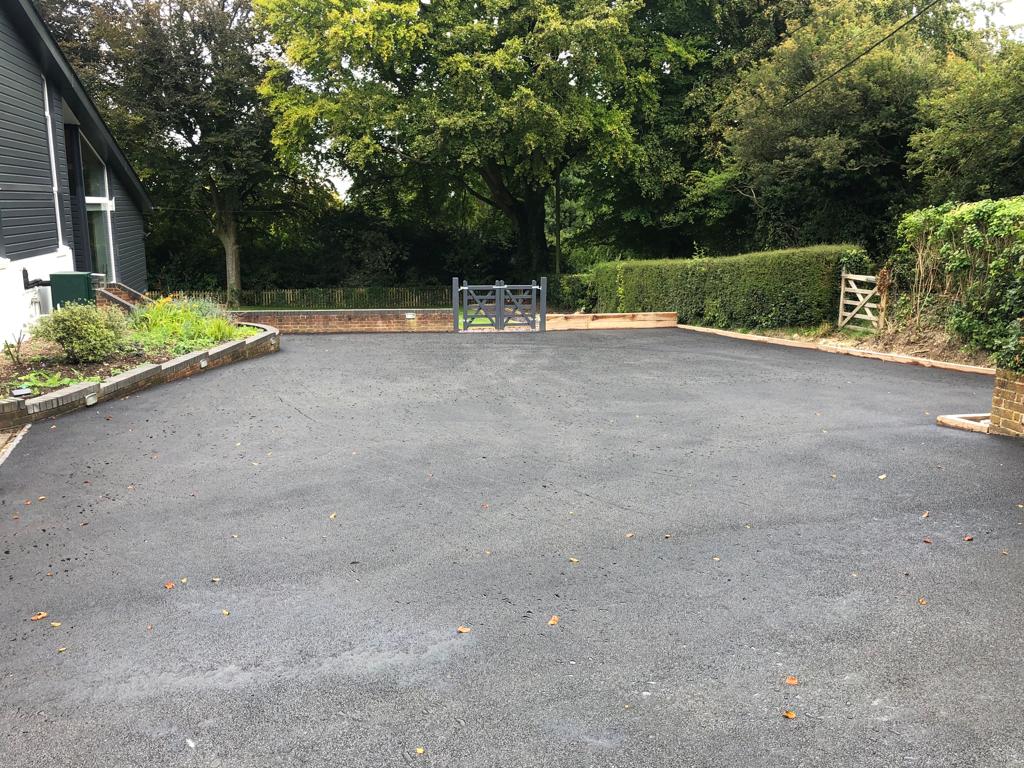
At first glance, a hardstand may look similar to a standard asphalt or bitumen pavement. However, beneath the surface, there are significant differences in how these areas are designed and constructed. Hardstands are specifically engineered to support heavy vehicles, machinery and constant operational demands that would quickly damage an ordinary pavement.
Whether used for industrial sites, commercial properties, agricultural operations or transport facilities, hardstands require a far stronger construction process to deliver long-term performance. At Yarrambat Road Tech, we construct durable asphalt and bitumen hardstands throughout Yarrambat, VIC, ensuring businesses have surfaces capable of handling demanding environments.
What Is a Hardstand?
A hardstand is a reinforced paved area designed to support stationary and moving heavy loads. Unlike standard roads or residential driveways, hardstands are built to accommodate repeated use by large vehicles, heavy equipment and machinery without compromising the structural integrity of the pavement.
Hardstands are commonly used for:
- Industrial yards
- Transport depots
- Machinery storage areas
- Agricultural facilities
- Commercial compounds
- Loading and unloading zones
- Fleet parking
- Equipment laydown areas
Because these areas experience much greater stress than standard pavements, they require a specialised construction approach.
Heavy Loads Require Stronger Foundations
The biggest difference between a hardstand and a standard pavement is the strength of the foundation.
Passenger vehicles distribute relatively light loads across a surface, whereas trucks, forklifts, earthmoving equipment and agricultural machinery apply concentrated pressure that can quickly cause failure if the pavement is not properly designed.
Hardstands are built with carefully engineered base layers that spread these loads evenly, helping to prevent movement, cracking and settlement.
Thicker Pavement Structure
Hardstands generally require a more substantial pavement structure than a typical driveway or access road.
Depending on the intended use, construction may involve:
- A stronger sub-base
- Additional compacted base material
- Increased asphalt or bitumen thickness
- Reinforced pavement layers where required
This added structural capacity enables the surface to cope with ongoing heavy-duty operations while maintaining stability.
Greater Focus on Ground Preparation
No matter how durable the finished surface appears, its performance depends on the quality of the preparation beneath it.
Before construction begins, experienced contractors assess:
- Soil conditions
- Existing ground stability
- Load requirements
- Drainage patterns
- Traffic movements
Any unsuitable material is removed, the ground is stabilised where necessary and the base is compacted to create a solid platform for construction.
Proper preparation significantly reduces the risk of future pavement problems.
Drainage Is Even More Important
Heavy-duty pavements are particularly vulnerable to water damage if drainage has not been properly considered.
Standing water or moisture trapped beneath the pavement can weaken the supporting layers, reducing their ability to carry heavy loads.
Professional hardstand construction incorporates carefully designed grading and drainage systems to direct water away from the pavement, helping preserve both the surface and its foundation.
Good drainage contributes directly to long-term durability.
Designed for Constant Operational Use
Unlike standard pavements that mainly accommodate passing vehicles, hardstands often experience:
- Continuous turning movements
- Stationary heavy loads
- Frequent loading and unloading
- Machinery operation
- Repetitive vehicle movements
These activities place additional stress on the pavement structure.
Hardstands are specifically designed to resist these forces while maintaining a stable, reliable operating surface.
Minimising Surface Deformation
Standard pavements subjected to heavy operational use may develop problems such as:
- Rutting
- Depressions
- Cracking
- Edge failures
- Surface movement
Hardstands are engineered to minimise these issues by providing greater structural support throughout the pavement system.
This helps maintain an even working surface and reduces the likelihood of ongoing maintenance concerns.
Supporting Business Productivity
A reliable hardstand allows businesses to operate more efficiently.
Smooth, durable surfaces make it easier for vehicles and equipment to move safely throughout the site while reducing disruptions caused by damaged pavements.
Whether moving freight, storing machinery or servicing commercial vehicles, businesses benefit from infrastructure specifically designed for heavy operations.
Why Professional Construction Matters
Every hardstand has unique operational requirements. Factors such as vehicle weights, equipment types, traffic frequency and site conditions all influence how the pavement should be designed.
Professional surfacing contractors assess these variables before construction begins to ensure the finished hardstand delivers the required level of performance.
Tailoring the design to the site’s intended use helps maximise durability and extend the life of the pavement.
Long-Term Value Through Proper Design
Although hardstands require a more robust construction process than standard pavements, this additional engineering provides significant long-term benefits.
A properly built hardstand offers:
- Greater load-bearing capacity
- Improved durability
- Better drainage
- Enhanced operational safety
- Reduced surface deterioration
- Reliable long-term performance
These advantages make hardstands an essential investment for businesses that rely on heavy vehicles and machinery every day.
Conclusion
Hardstands are built differently from standard pavements because they are designed to withstand significantly greater operational demands. Stronger foundations, thicker pavement structures, effective drainage and professional site preparation all work together to create surfaces capable of supporting heavy-duty use for many years.
At Yarrambat Road Tech, we specialise in constructing high-quality asphalt and bitumen hardstands throughout Yarrambat, VIC. Whether you need a hardstand for an industrial facility, commercial property, agricultural operation or transport yard, our experienced team can deliver a solution tailored to your operational requirements. Contact us today to discuss your project and discover how a professionally constructed hardstand can provide lasting performance for your business.
Call us on: 03 9068 7895
Click here to find out more about Yarrambat Road Tech
Click here to complete our contact form and see how we can help with your driveway needs.